10 Tips for Choosing the Right Marine Cable

Choosing the right marine cable is a practical engineering decision, not a simple product comparison. A cable may look robust on a warehouse floor, yet face abrasion, crushing, bending, pressure, corrosion, and repeated movement offshore. Water depth, seabed material, installation tools, vessel operations, and future maintenance all affect the correct design. A cable suitable for a calm harbor may fail on a rocky seabed or near an active tidal channel.

Subsea cable specialist Mike Clare has expressed a useful principle: “The seabed is not a blank canvas.” That idea should guide every purchase. Cable selection must begin with route conditions, load calculations, electrical requirements, and realistic installation limits. Armor type, conductor size, insulation, bend radius, sheath material, and protection systems deserve careful review. Manufacturer testing records also matter. So do traceability, technical support, and field experience.

This guide presents ten practical tips for evaluating a marine cable before ordering it. It considers performance, safety, service life, compatibility, and total project cost. The cheapest option may become expensive after one difficult repair. That mistake is common.

A perfect checklist does not exist. Project teams sometimes overlook water movement, temporary bending, or poor handling during installation. Those details can decide whether a cable performs reliably for years. Ask precise questions, request independent technical evidence, and challenge assumptions that seem convenient. Good selection is rarely dramatic. It is careful, documented, and slightly skeptical.
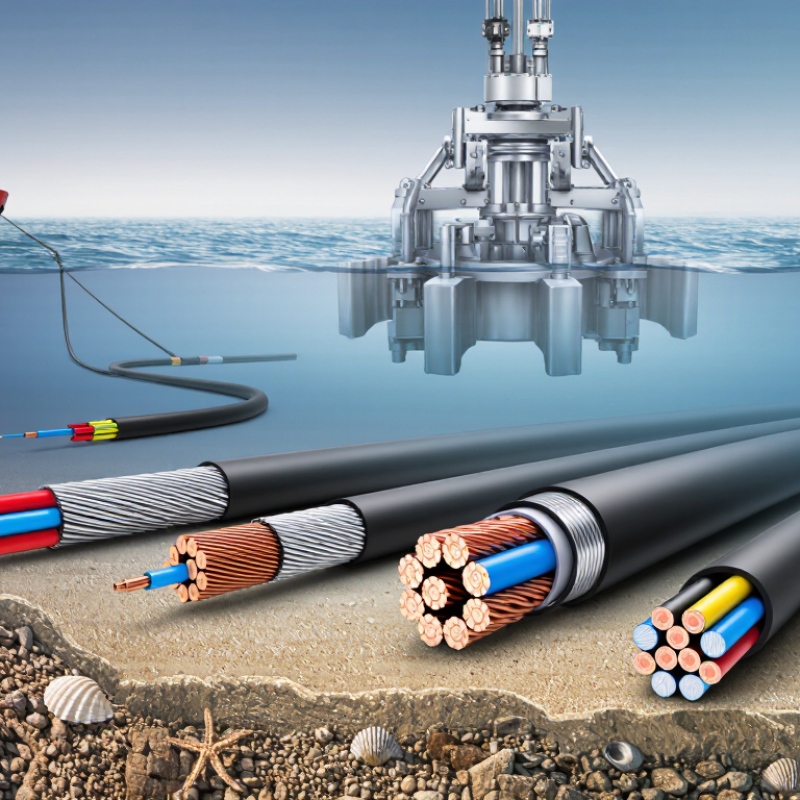
10 Tips for Choosing the Right Marine Cable

Identify the Marine Cable’s Intended Application and Operating Environment

Before selecting a marine cable, define exactly where it will operate. A cable for navigation equipment faces different conditions from one near an engine. Will it carry power, control signals, data, or emergency loads? Record the voltage, current, frequency, and expected duty cycle. Small details matter.

Inspect the environment closely. In a bilge, the cable may meet standing water, oil, vibration, and sharp metal edges. On an exposed deck, sunlight, salt spray, rain, and repeated temperature changes become major concerns. Inside an engine space, heat resistance, flame behavior, smoke performance, and mechanical protection deserve careful review. Flexible equipment also needs a cable that tolerates repeated bending without conductor fatigue. Measure the available bend radius. Do not guess.

Choose insulation and sheathing materials that match those conditions, then check the cable’s temperature and voltage ratings against the actual installation. A shield may reduce interference around sensitive instruments, while suitable tinned conductors can improve resistance to corrosion in damp areas. Confirm the construction through technical documents and test records, not appearance alone. A cable can look robust and still be poorly suited to its location. No checklist is perfect. Recheck assumptions after installation, especially where routing changes, ventilation is limited, or water can collect. That extra inspection is easy to skip, and often the most useful step.

Select the Correct Cable Type, Size, and Electrical Rating

10 Tips for Choosing the Right Marine Cable

Select the Correct Cable Type, Size, and Electrical Rating

Cable selection begins with the vessel’s environment. Choose flexible, marine-rated insulation for vibration, moisture, oil, and temperature changes. Tinned copper can resist corrosion, especially near bilges and engine spaces. I still find this step easy to rush. Do not guess.

Calculate the load before choosing the conductor size. Divide watts by voltage, then check the cable’s continuous ampacity. Include the full circuit length, not only the distance from the panel. ABYC E-11 commonly limits voltage drop to 3% for critical circuits and 10% for non-critical circuits. A 24-volt pump drawing 10 amps may need a larger cable than expected over a long run. Bundling, ambient heat, and installation location can reduce ampacity. Add a sensible engineering margin, but avoid oversized cables that create poor terminations.

Electrical ratings must match the system voltage, fault protection, and insulation temperature. IEC 60092-352 provides shipboard guidance for cable selection and installation. The International Maritime Organization’s 2023 GHG Strategy targets net-zero emissions around 2050, increasing onboard electrical complexity. Allianz Commercial’s Safety and Shipping Review 2024 recorded 2,951 shipping incidents during 2023. Reliable wiring matters. A neat calculation can still fail through loose lugs, sharp bends, or unsealed glands. Inspect the route, label both ends, and verify voltage under real operating load.

Evaluate Insulation, Sheathing, and Resistance to Marine Conditions

Choosing the right marine cable starts with insulation, because water can expose weak materials quickly. Evaluate insulation rated for moisture, heat, oil, vibration, and repeated bending. A suitable compound should remain flexible in cold conditions and stable near warm machinery. Salt finds weaknesses. Check the technical sheet, not only the product label.

The outer sheathing needs equal attention. Look for resistance to abrasion, sunlight, fuel splashes, and saltwater spray. Run a gloved hand along a sample. It should feel even, without cracks, soft spots, or swelling. Measure the recommended bend radius before installation. A cable forced around a sharp corner may fail beneath an intact surface. Small details matter.

Resistance to marine conditions also depends on construction and installation. Ask for test reports covering water exposure, flame behavior, tensile strength, and insulation resistance. Independent verification adds confidence, especially when the cable will sit in an engine room or exposed deck route. I once focused mainly on conductor size and overlooked sheath recovery after bending. That was incomplete. Inspectors should also check glands, seals, drainage, and support spacing. A strong cable can still perform poorly when moisture enters through an unsuitable connection. Review inspection records during service, because heat marks, white salt deposits, and stiff sections often appear before electrical trouble.

Check Compliance with Marine Safety Standards and Certification Requirements

Choosing marine cable is not only a matter of voltage, flexibility, or price. Compliance should guide every specification decision. On a vessel, cables may pass through hot machinery spaces, wet bilges, and crowded escape routes. Ask which rules apply to the vessel, installation zone, and cable function. Requirements can involve IMO fire safety provisions, SOLAS-related obligations, IEC 60092 standards, and rules from the selected classification society or flag administration. The exact combination matters.

Request current certificates before purchase. A credible supplier should provide type-approval documents, routine test records, and traceable batch information. Check the cable’s rated voltage, conductor temperature, fire performance, smoke and gas behavior, oil resistance, and water resistance. Fire-resistant cable is not automatically suitable for every emergency circuit. Verify the stated test method and acceptance level. A certificate with an unclear scope is a warning sign. Read the fine print.

During inspection, compare the printed marking with the certificate and packing label. Record the manufacturing lot, cable length, and test references before installation. In practice, projects can lose time because a suitable-looking cable lacks approval for its intended location. Documentation checks are often rushed. That deserves reflection. Do not rely on verbal assurances. Ask the shipyard, marine electrician, or authorized surveyor to confirm the final selection. Keep certificates accessible for audits, maintenance, and future replacements. Requirements may change between vessel types and jurisdictions. Recheck them when the design changes.

Compare Installation Needs, Service Life, and Total Ownership Cost

Choosing the right marine cable starts with the installation, not the catalogue price. Map each route before ordering. Measure length, bend radius, support spacing, and access for future repairs. A tight engine-room path may require flexible cable with stronger insulation. A damp bilge area demands protection against moisture, oil, vibration, and salt exposure.

Service life depends on more than conductor size. Check the cable’s temperature rating, abrasion resistance, flame behavior, and resistance to chemicals. Match these details with the vessel’s real operating conditions. Heat near an engine can age insulation quietly. Repeated movement can damage it faster than expected. Do not assume a thicker cable always lasts longer. Poor routing can defeat good materials.

Total ownership cost includes installation time, testing, replacement access, and downtime. A lower purchase price may hide difficult termination work or frequent failures. Compare the complete cost over the vessel’s planned service period. Leave enough cable for safe maintenance, but avoid unnecessary loops. Every extra metre adds weight, cost, and possible routing problems. Field checks often find labels missing or supports too far apart. That is a small oversight with expensive consequences. Revisit the specification with the electrician and survey requirements before approval. Sometimes the first design is not the best one. That deserves a second look.