
What Is the Best Marine Wire from China?
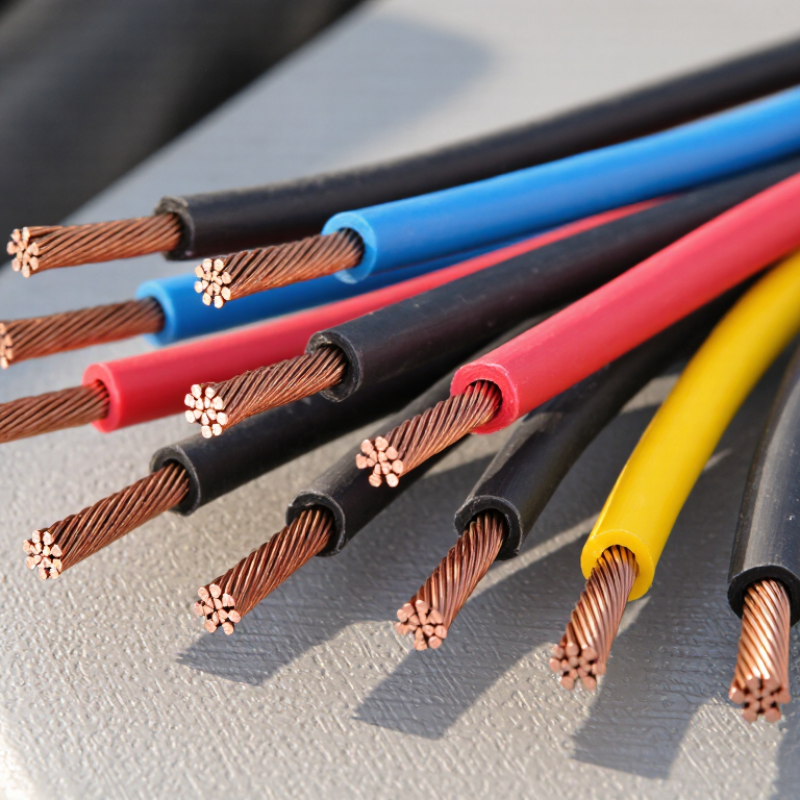
Choosing the best marine wire from China requires more than comparing prices or browsing product photographs. Marine wire works in a harsh environment, where salt spray, vibration, moisture, and heat can expose weak materials quickly. A reliable choice should match the vessel’s electrical system, installation space, current demand, and operating conditions.
The best product is not always the cheapest one. It should use suitable copper conductors, durable insulation, and clear manufacturing controls. Tinned copper may improve corrosion resistance in marine environments, although its value depends on the application and installation quality. Look for documented conductor sizes, voltage ratings, temperature ranges, and insulation materials. Certification matters. So does traceability.
Ask the supplier for technical data sheets, sample lengths, test records, and batch information. A serious manufacturer should explain how it controls conductor stranding, insulation thickness, flame performance, and dimensional consistency. Factory experience also matters, especially when wires must fit tight engine compartments or crowded distribution panels. Small details matter.
Independent testing can strengthen confidence, but paperwork alone does not prove field performance. That is an important limitation. A sample may pass inspection while later batches vary if quality systems are weak. Buyers should compare samples, verify markings, and confirm production standards before placing large orders. On-site inspection may be worthwhile.
This guide examines how to evaluate marine wire from China through materials, certifications, manufacturing capability, customization, testing, and supplier communication. The goal is not to promote one factory blindly. It is to help buyers make a safer, more informed decision.
Define “Best” Marine Wire: UL 1426, SAE J1127, and ABYC Compliance
What Is the Best Marine Wire from China?
The best marine wire is not defined by origin alone. It is defined by verified performance, correct standards, and dependable production control. For many boat wiring projects, UL 1426 is a key reference. It covers marine boat cable, including insulation, construction, and testing requirements. Look for clear markings, conductor size, temperature rating, and traceable batch information.
SAE J1127 serves a different purpose. It mainly addresses low-voltage battery cable used in vehicles and related systems. It may suit certain marine applications, but it is not automatically equivalent to UL 1426. ABYC guidance adds practical installation expectations, such as proper overcurrent protection, support, routing, terminals, and voltage-drop control. Compliance is therefore more than printing a standard number on the jacket.
Check the copper construction closely. Tinned strands can resist corrosion in damp engine spaces, but tinning alone does not prove quality. Ask for current test reports from a competent laboratory, production samples, and inspection records. Measure the conductor diameter, insulation thickness, flexibility, and jacket recovery after bending. A cable that feels soft may still fail under heat or abrasion. I once focused too heavily on surface appearance; that was a poor shortcut. No checklist is perfect. Real reliability comes from matching the cable to the circuit, environment, and installation details.
| Evaluation Dimension | UL 1426 Boat Cable | SAE J1127 Battery Cable | ABYC-Based Marine Installation | What “Best” Means for Buyers |
|---|---|---|---|---|
| Primary Purpose | Designed for insulated single-conductor cable used in boats and marine wiring systems. | Designed primarily for low-voltage battery and starting circuits in road vehicles and similar applications. | Provides installation and safety requirements for boats; it is not a standalone wire manufacturing standard. | Choose the construction standard that matches the application, then verify installation compliance. |
| Voltage Classification | Typically rated up to 600 V. | Generally intended for low-voltage vehicle electrical systems, commonly 60 V DC or below depending on the applicable cable type and specification. | Uses system-voltage requirements appropriate to the boat’s electrical system and circuit design. | For general boat wiring, a clearly documented UL 1426 rating is usually more directly relevant than a battery-cable-only rating. |
| Conductor Material | Usually stranded copper; marine constructions commonly use tinned copper to improve corrosion resistance. | Stranded copper constructions are common; tin plating is not automatically required by SAE J1127. | Requires conductors and connections suitable for the marine environment and the intended circuit. | For saltwater, bilge, engine-room, and exposed locations, tinned copper is generally the more suitable choice. |
| Flexibility | Flexible stranded constructions are commonly selected for routing around engines, panels, and tight spaces. | Flexibility varies by cable type, strand construction, insulation, and conductor size. | Installation must avoid excessive stress, sharp bends, abrasion, and unsupported cable runs. | Compare strand construction and minimum bend guidance instead of judging flexibility by size alone. |
| Insulation and Environment | Marine boat cable insulation is selected for electrical protection and resistance to conditions specified by the certification requirements. | Insulation performance depends on the specific SAE J1127 cable type; automotive cable is not automatically suitable for continuous marine exposure. | Wiring must be protected from moisture, oil, heat, abrasion, vibration, and mechanical damage according to the installation location. | Confirm temperature, oil, fuel, moisture, and abrasion resistance using the product datasheet and test reports. |
| Temperature Selection | Many marine cables are available with 105°C-rated insulation, but the exact temperature rating must be printed on the cable or datasheet. | Temperature capability depends on the cable type, insulation compound, and applicable SAE construction. | Required ampacity can be affected by conductor temperature, ambient temperature, bundling, and engine-space conditions. | Select a temperature rating appropriate for the hottest installation zone rather than relying only on nominal ampacity. |
| Corrosion Resistance | Tinned copper is widely preferred for marine environments because it helps reduce oxidation at the conductor surface. | SAE J1127 compliance alone does not necessarily confirm marine-grade corrosion protection. | Connections, terminals, busbars, and conductors must be protected against corrosion and installed with suitable techniques. | Request confirmation of conductor plating, salt-spray or corrosion testing, and terminal compatibility. |
| Ampacity and Voltage Drop | Wire size is selected according to circuit current, conductor length, allowable voltage drop, temperature, and installation conditions. | Battery cable sizing is commonly based on high-current starting or charging applications and the required circuit length. | ABYC guidance commonly uses circuit length and maximum voltage-drop limits; the correct limit depends on the circuit function. | The best cable is correctly sized for both ampacity and voltage drop, not simply the largest available conductor. |
| Typical Marine Applications | Distribution panels, pumps, navigation equipment, lighting, controls, battery circuits, and other boat wiring. | Battery leads, starter circuits, alternator connections, and other low-voltage high-current applications when the construction is environmentally suitable. | Applies to the complete onboard wiring system, including routing, overcurrent protection, connections, supports, and identification. | Use UL 1426-type marine cable for broad marine wiring; use battery cable only where its construction and environment are appropriate. |
| Certification Meaning | A valid listing or certification indicates that the cable construction has been evaluated against the relevant UL requirements. | A manufacturer’s statement of SAE J1127 compliance identifies conformity with the applicable SAE cable specification, but does not equal marine certification. | ABYC compliance is demonstrated by the complete installation, component selection, documentation, and inspection—not by a cable label alone. | Ask for current certificates, scope of certification, product markings, and traceable test documentation. |
| Marking and Traceability | Look for cable size, conductor construction, voltage rating, temperature rating, standard reference, and certification markings where applicable. | Look for the SAE type designation, size, temperature information, and manufacturer traceability. | Installation records should identify circuit function, protection rating, cable size, routing, and termination details. | Clear, durable, repeating cable markings and batch traceability reduce procurement and inspection risk. |
| Main Procurement Risk | Accepting a cable with a claimed standard but no verifiable certification or incomplete technical documentation. | Using automotive battery cable in a wet or corrosive marine location without confirming environmental suitability. | Assuming that a standards-compliant cable alone makes the entire boat wiring installation compliant. | Evaluate the cable, certification, test evidence, installation method, and supplier quality controls together. |
| Recommended Evidence from a Supplier | Certification file, datasheet, construction details, conductor plating information, temperature rating, and sample cable markings. | SAE type designation, datasheet, conductor and insulation details, temperature rating, and applicable test records. | Installation drawings, voltage-drop calculations, overcurrent-protection data, termination instructions, and inspection checklist. | A technically complete document package is a stronger indicator of quality than price or appearance alone. |
| Best-Fit Summary | Best general starting point for purpose-built marine boat wiring when the certification is valid and traceable. | Best suited to battery and starting circuits when the cable’s environmental and temperature performance is confirmed. | Essential for determining whether the selected cable is correctly installed and protected on the boat. | The “best” marine wire is the correctly certified, corrosion-resistant, properly sized, fully documented cable that meets the vessel’s installation requirements. |
Related Posts
-
How to Choose the Right Marine Wire for Your Boat
-

Top China Best Cable Wire Options for Global Buyers?
-

Why is Cable Assembly Important in Modern Electronics?
-
Top 10 Cable Connectors You Need to Consider for Your Projects?
-
Ultimate Guide to Wire Harness Top Tips for Installation and Maintenance
-
Essential Control Cable Tips for Global Procurement Success?