Top Cable Connector Types for Global Buyers
Global buyers rarely choose a cable connector by appearance alone. They examine current capacity, voltage ratings, sealing performance, contact materials, installation time, and supply stability. A connector that fits perfectly in a factory may fail beside saltwater, vibration, dust, or repeated bending. The details matter.
The global connector industry reflects this growing complexity. Bishop & Associates reports that worldwide electronic connector sales have reached well over 80 billion U.S. dollars annually, supported by transportation, industrial equipment, data communication, and consumer electronics. Grand View Research also identifies steady growth in the cable connector market, driven by electric vehicles, renewable energy systems, and expanding data infrastructure. However, market estimates vary between research firms. That difference deserves attention, not blind confidence.
Dennis Zogbi, a long-time connector industry analyst at Bishop & Associates, has emphasized that “connectors are the essential link between electrical systems.” His point is simple. A cable connector carries more responsibility than its small size suggests. It affects safety, signal quality, maintenance costs, and equipment life.
This guide compares major cable connector types for international purchasing teams. It considers circular connectors, rectangular connectors, coaxial connectors, terminal blocks, waterproof connectors, and high-speed data connectors. Each section connects technical features with practical buying decisions. Buyers should still verify certifications, testing methods, mating cycles, and regional requirements before placing an order. Product labels can mislead. Even a respected specification may hide differences in testing conditions. The right choice is not always the cheapest connector. It is the one that performs reliably in the actual environment.
Cable Connector Basics: Purpose, Structure, and Key Terms
Top Cable Connector Types for Global Buyers
Cable connectors join conductors safely and maintain a stable electrical path. In practical installations, they also resist vibration, moisture, heat, and accidental pulling. A connector usually contains contacts, an insulating body, and an outer housing. Contacts carry current. The insulator separates circuits. The housing protects alignment and handling. Small parts matter.
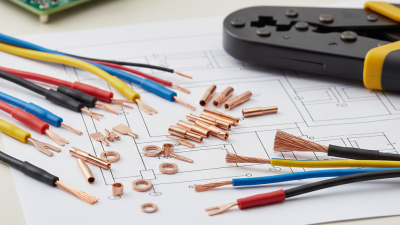
Common terms can confuse new buyers. A pin is a projecting contact, while a socket receives it. Crimping compresses a terminal around the conductor. Soldering bonds the conductor with melted metal. Strain relief prevents cable movement from damaging the contact area. Pitch describes the distance between adjacent contacts. Current rating shows the safe continuous load under stated conditions.
Buyers should check conductor size, voltage, temperature range, mating cycles, and sealing requirements. An IP rating may indicate resistance to dust or water, but only under defined test conditions. “Universal” deserves skepticism; fit and electrical performance are not always interchangeable. I measure cable diameter twice before selecting the backshell. It seems minor. It prevents loose seals.
A reliable specification should identify contact material, plating, locking method, and test standards. Crimp quality also depends on the correct terminal and calibrated tooling. Visual inspection helps, yet it cannot replace pull testing in demanding applications. I have seen a connector look perfect and fail after repeated bending. The weak point was the strain relief, not the contact.
How Cable Connectors Are Classified by Design and Application
Top Cable Connector Types for Global Buyers
How Cable Connectors Are Classified by Design and Application
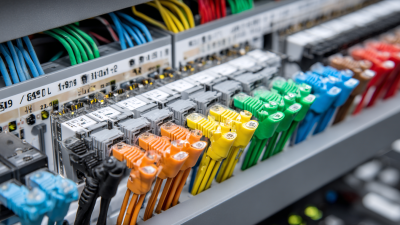
Cable connectors are classified by their structure, contact method, and working environment. Circular connectors suit machinery, sensors, and outdoor equipment because their shells support secure locking. Rectangular connectors offer higher contact density and easier panel mounting. Coaxial connectors control electromagnetic interference in radio, testing, and communication systems. Board-to-wire connectors link cables with circuit boards, while terminal blocks support clear, serviceable field wiring.
Application changes the selection more than appearance. Automotive and industrial systems often require vibration resistance, high-temperature materials, and strong mating locks. Data equipment needs controlled impedance and effective shielding. Outdoor installations may require IP-rated sealing, but an IP67 rating does not guarantee chemical resistance or long-term UV stability. That distinction is often missed.
Bishop & Associates estimated the global electronic connector market at approximately US$84 billion in 2023. MarketsandMarkets projected continued cable connector growth at about 6% annually through the decade. These figures suggest broad demand, not universal compatibility. Buyers should compare voltage, current, contact spacing, mating cycles, cable diameter, and certification requirements. I have found that drawings can hide practical problems. A connector may fit perfectly, yet its crimp barrel may not match the cable’s actual strand size. Short tests help. Sample assemblies, pull-force checks, and temperature cycling reveal weaknesses before volume purchasing. Classification makes comparison easier, but field conditions still deserve the final decision.
Common Cable Connector Types Used in Global Markets
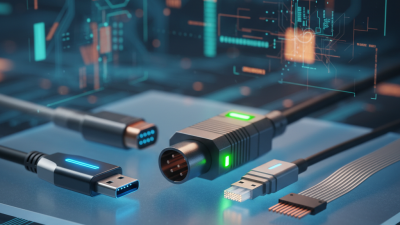
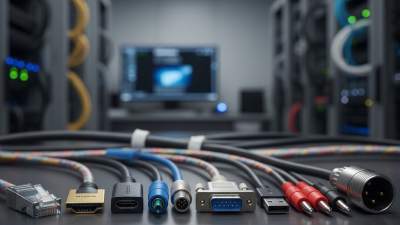
Common cable connector types vary across global markets, but several families appear repeatedly in industrial, commercial, and consumer equipment. USB connectors support charging and data transfer, while HDMI connectors commonly carry digital audio and video. RJ45 connectors serve Ethernet networks, and coaxial connectors remain useful for antennas, cameras, and test equipment. These choices depend on equipment design, regional standards, and required signal performance.
Industrial buyers often select circular connectors for machinery, sensors, and outdoor control systems. Many include threaded or bayonet locking, which helps resist vibration. Waterproof versions may use an IP rating, but the rating only applies when the connector is correctly assembled. Terminal blocks are also common in control cabinets because technicians can inspect and replace individual wires. They are practical, though not always suitable for frequent disconnection.
Power systems may use blade, pin, or specialized solar connectors. Contact material, current capacity, insulation temperature, and mating cycles deserve careful checking. A connector that fits mechanically may still be electrically unsafe. I once saw a nearly identical plug create installation delays because its keyway differed by a few millimeters. Small details matter.
Global buyers should confirm dimensions, pin arrangement, cable size, shielding, and testing records before ordering. Samples help reveal problems that drawings miss. In my experience, corrosion resistance is often underestimated in humid warehouses and coastal projects. A low-cost connector can become expensive after repeated service failures. No single connector type works everywhere.
How to Choose the Right Connector for a Cable System
Choosing the right cable connector starts with the cable system, not the connector name. Check conductor size, current load, voltage, and mating frequency. A compact circular connector may suit control panels, while a rectangular connector can simplify dense industrial wiring. Coaxial connectors require careful impedance matching. Small errors can weaken signal quality.
Study the working environment closely. Outdoor systems may need sealed connectors with suitable IP protection. Machinery requires strong strain relief, vibration resistance, and secure locking. In a hot cabinet, housing material and contact plating deserve attention. For shielded cables, confirm that the connector maintains a continuous shield path. It should not become the weakest link.
Installation details matter too. Measure the cable diameter before ordering. Check the bend radius, termination method, and available panel space. A connector that fits on paper may be awkward with gloves. Test a sample with the actual cable and tools. That step often exposes problems early. Review technical datasheets, test reports, and applicable safety requirements from reliable suppliers. Avoid choosing only by price. It can create extra labor later. I have seen projects change connector types after discovering poor access behind a panel. That mistake is avoidable, though field conditions are not always predictable. Keep spare contacts and sealing parts when maintenance access is difficult. Document the selected specifications for future replacements.
Global Buying Factors: Standards, Quality, Cost, and Supply
Top Cable Connector Types for Global Buyers
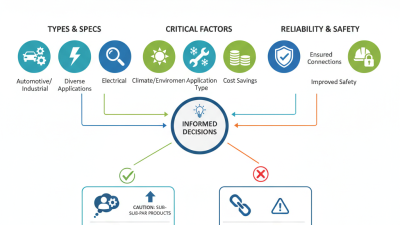
Global buyers usually compare circular, rectangular, coaxial, and terminal-block connectors. The correct type depends on current, vibration, sealing, and installation space. IEC 60512 defines electrical and mechanical test methods for connector performance. Buyers should request test records, not only catalog ratings. A connector may pass initial tests but fail after repeated mating cycles. That detail is often missed.
Standards reduce risk across borders. Check IEC, UL, RoHS, REACH, and region-specific requirements before approving samples. ISO Survey 2023 recorded more than 1.26 million ISO 9001 certificates worldwide. Certification supports process control, but it does not guarantee every batch. Audit traceability, crimp height, plating thickness, and pull-force results. Small evidence matters. Copper and polymer costs also influence connector pricing. The World Bank’s Commodity Markets Outlook reported major copper price volatility during 2024, affecting cable-related purchasing budgets.
Supply resilience requires more than a low quotation. UNCTAD’s Review of Maritime Transport 2024 states that maritime shipping carries over 80% of global merchandise trade. Route disruptions can extend delivery times and increase freight costs. Buyers should compare local stock, dual tooling, minimum order quantities, and replacement compatibility. Avoid approving an unverified substitute during a shortage. It may fit physically but fail electrically. My practical concern is simple: many purchasing teams measure price first, then discover quality costs later. A stronger evaluation uses a weighted score for compliance, lifecycle performance, landed cost, and supply continuity. Trade-offs remain unavoidable.