What is High Barrier EVOH Material and Its Benefits for Packaging?
High Barrier EVOH Material has become a game changer in the packaging industry. This innovative material is noted for its excellent barrier properties, which protect products from oxygen, moisture, and other external factors. As a result, it helps maintain product freshness and extends shelf life, crucial for businesses and consumers alike.
Understanding the value of High Barrier EVOH Material is essential. Its unique structure provides an effective barrier while remaining lightweight and flexible. This makes it suited for various applications, including food, pharmaceuticals, and consumer goods. Companies can enhance their packaging strategies by choosing this advanced material.
However, there are challenges in adopting High Barrier EVOH Material. Not all manufacturers are familiar with its properties and best practices. This gap in knowledge can lead to inefficient usage or suboptimal results. As the demand for sustainable and effective packaging grows, educating industry stakeholders about this material is vital for future innovations.
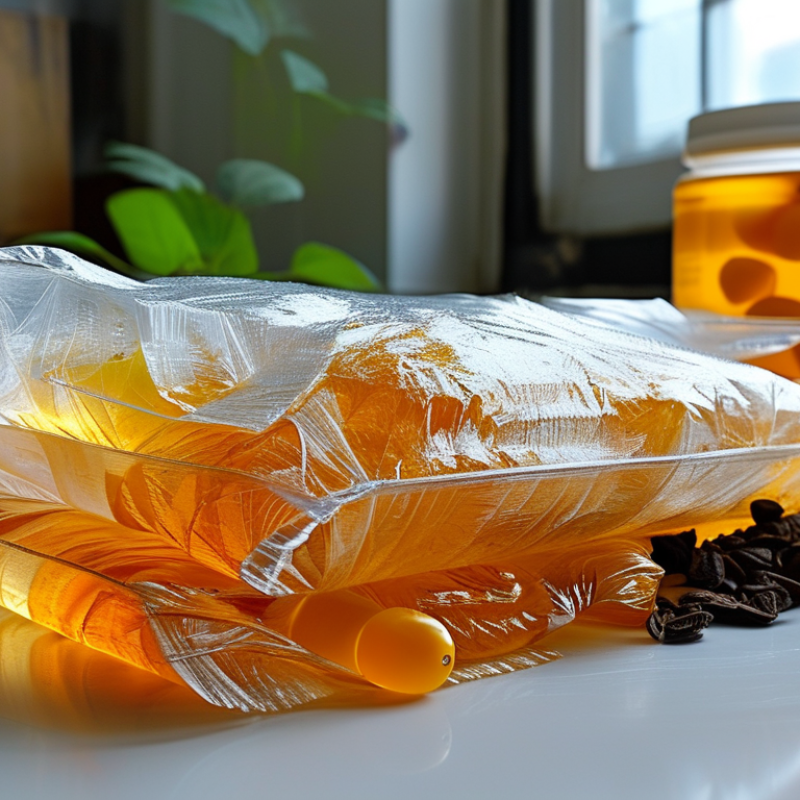
What is EVOH Material and Its Chemical Composition?
EVOH, or ethylene-vinyl alcohol copolymer, is a critical material in packaging. It consists mainly of ethylene and vinyl alcohol units. The exact ratio of these two components helps define its properties. This unique structure provides exceptional barrier qualities, particularly against gases. It is commonly used in food and pharmaceutical packaging.
The chemical composition of EVOH results in low permeability to oxygen and other gases. This is vital for extending the shelf life of perishable items. The material is clear, allowing consumers to see the product inside. Yet, it is also sensitive to moisture. High humidity can affect its performance. Manufacturers should assess storage conditions carefully to prevent issues.
EVOH's flexibility makes it adaptable for various applications. It can be laminated with other materials for added strength and durability. However, the production process can be complex. Balancing performance with cost remains a challenge. Understanding these nuances is essential for effective use in packaging solutions.
What is High Barrier EVOH Material and Its Benefits for Packaging?
| Property | Description | Benefits |
| Barrier Properties | Excellent barrier against gases, particularly oxygen. | Increases shelf life of perishable goods. |
| Moisture Resistance | Provides a high barrier to moisture as well. | Protects products from spoilage and quality degradation. |
| Chemical Composition | Made from ethylene and vinyl alcohol, offering unique properties. | Compatible with a range of packaging applications. |
| Sustainability | Can be produced from renewable resources. | Reduces environmental impact of packaging waste. |
| Applications | Used in food packaging, pharmaceuticals, and cosmetics. | Versatile use enhances marketability of products. |
Properties of High Barrier EVOH Material in Packaging Applications
High Barrier EVOH material stands out in packaging due to its unique properties. This thermoplastic polymer exhibits excellent gas barrier characteristics. It significantly controls the permeability of oxygen and other gases. This is crucial for preserving food freshness and extending shelf life. Moreover, EVOH is biodegradable, aligning with sustainability goals.
The effectiveness of High Barrier EVOH depends on several factors. Thickness plays a vital role in how well it performs against external elements. Adjusting the manufacturing process can change its barrier properties. This flexibility can lead to variations in performance. Users should consider these aspects during the selection process.
Tips: Always test performance under real conditions before full-scale application. Conduct compatibility assessments with other materials to ensure optimal results. Regularly review packaging designs to incorporate innovations in barrier technology. Adjustments can lead to improvements but may also introduce complications. Choose wisely to balance performance with practicality. It's essential to remain aware of the challenges that come with evolving material properties.
Comparative Analysis: EVOH vs. Other Barrier Materials in Packaging
EVOH, or ethylene vinyl alcohol, has emerged as a preferred choice for barrier materials in packaging. Its unique structure offers excellent oxygen barrier properties, making it ideal for food and pharmaceutical applications. In fact, studies indicate that EVOH reduces oxygen permeability by up to 100 times compared to traditional polyethylene films. This feature significantly extends the shelf life of perishable products.
When comparing EVOH to other barrier materials, differences in performance become apparent. For instance, aluminum provides robust protection against light and oxygen but lacks flexibility. In contrast, EVOH's adaptability allows it to fit various packaging designs without sacrificing integrity. Polypropylene, while cheaper, does not perform as well in moisture and oxygen barriers. According to recent market analyses, the demand for EVOH films has increased by over 15% annually, reflecting a growing preference for better preservation methods.
However, EVOH is not without challenges. Its susceptibility to moisture can limit its application in certain environments. Packaging designers must consider these factors when deciding on barrier materials. While EVOH excels in many areas, its limitations prompt further innovation and exploration of alternatives in the packaging industry. With evolving consumer expectations, the quest for more efficient barrier solutions continues to drive research.
Market Trends and Demand for High Barrier EVOH Packaging Solutions
High Barrier EVOH material is gaining traction in the packaging industry due to its superior gas and moisture barrier properties. This material helps in preserving the freshness and quality of food products. As consumers become more health-conscious, the demand for effective packaging solutions rises. Companies are increasingly looking for materials that enhance shelf life and reduce waste. This trend reflects a growing awareness of sustainability and environmental responsibility.
Tips for choosing EVOH packaging include assessing the specific needs of your product. Consider whether oxygen exposure could affect the quality. Look for ways to reduce packaging waste, as some EVOH materials are designed to be recyclable. Testing the compatibility of EVOH with your product is essential in ensuring optimal performance.
The market for high barrier EVOH packaging is expanding rapidly. Industries like food and pharmaceuticals are driving this demand. Companies are investing in research to innovate and improve EVOH formulations. This focus on development can lead to even more efficient packaging solutions. As competition increases, staying updated on market trends becomes vital for businesses. It’s necessary to reflect on the evolving needs of the marketplace to maintain a competitive edge.
Environmental Impact and Recycling of EVOH Materials in Packaging Industry
EVOH (Ethylene Vinyl Alcohol) is known for its excellent barrier properties. It helps to preserve products by preventing oxygen, moisture, and odor from entering packaging. This is crucial for food products and pharmaceuticals. However, the environmental impact of using EVOH is a topic worth exploring.
The recycling of EVOH materials poses challenges. Most recycling facilities do not accept EVOH films. This leads to increased waste. While EVOH is often used in multi-layer packaging solutions, separating it from other materials can be complicated. Effective recycling methods are still in development. Facilities must find ways to handle these materials properly. Consumers need to be educated about how to dispose of EVOH products.
Despite these challenges, EVOH has significant benefits. It reduces food waste by extending shelf life. This makes it an attractive option in sustainable packaging. Nevertheless, the industry must find ways to improve the recyclability of EVOH. Innovations are needed to address the environmental concerns surrounding its use. Collaboration between manufacturers, recyclers, and consumers is essential for a sustainable future.