Modern infrastructure is pulling more cable through tighter, longer, and more demanding routes. The International Energy Agency’s Electricity 2024 report expects global electricity demand to grow by about 4% annually through 2026. Its Renewables 2024 report also forecasts nearly 5,500 GW of new renewable capacity between 2024 and 2030. These projects require careful cable installation, not simply stronger tools.
The right cable pulling rope can reduce friction, protect cable jackets, and improve control around bends. It must match the cable weight, pulling distance, conduit design, and expected tension. For example, a 12-strand synthetic rope may feel light in the hand, yet provide useful flexibility around a 90-degree bend. That detail matters on crowded work sites. So does surface condition.
Strength is only one measurement.
Abrasion resistance, elongation, diameter, splice quality, and moisture behavior deserve equal attention. Manufacturers often publish minimum breaking strength, but that value is not the same as a safe working load. OSHA safety guidance stresses inspection, rated equipment, and controlled lifting practices. Those principles should guide pulling operations, even when the rope is used for cable placement rather than lifting.
Experienced installers also inspect for flattened fibers, glazing, cuts, contamination, and damaged eyes before every major pull. A rope that survived yesterday’s job may not be reliable today. That sounds obvious, but field pressure makes shortcuts tempting. It is also worth admitting that no single rope suits every installation. The best selection combines manufacturer data, project calculations, verified compatibility, and practical site experience. This guide explains how to compare those factors before choosing a cable pulling rope.
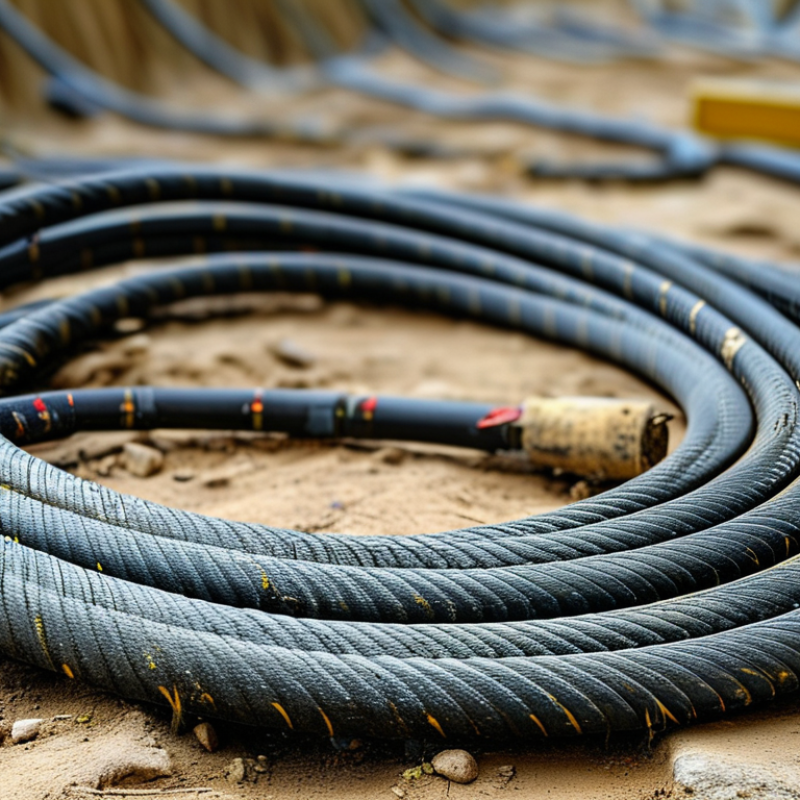
A cable pulling rope is a strong line used to guide electrical, fiber-optic, or communication cables through ducts, conduits, and cable trays. It connects the cable to a pulling winch or manual crew. In practice, technicians feed the rope through an empty pathway, attach a pulling eye or cable sock, then draw the cable slowly. A swivel can reduce twisting. Small details matter.
The Fiber Broadband Association’s 2024 market report recorded fiber passing more than 76 million U.S. homes. That expansion increases demand for controlled cable installation. Rope selection should match the cable’s weight, route length, pulling tension, and bend frequency. Low-stretch synthetic rope improves control, while a larger diameter may offer better handling. However, thicker is not always better. It may create unnecessary friction inside a crowded duct.
Inspect the rope before every pull. Look for cuts, flattened sections, melted fibers, dirt, and damaged eyes. A clean rope can still fail after repeated sharp bends. The rope’s rated strength must exceed the expected pulling load, but field resistance is often underestimated. The U.S. Department of Labor emphasizes hazard assessment and equipment inspection in electrical work practices. That principle applies here. One overlooked obstruction can damage both rope and cable. The method is not perfect. Tension monitoring, proper lubrication, and a slow pulling speed reduce risk, but they cannot replace careful route planning.
Choosing cable pulling rope starts with the pulling environment, not the advertised breaking strength. A dry indoor conduit often suits polyester rope. It offers low stretch, good abrasion resistance, and predictable handling around bends. This control helps installers feel changing resistance before the cable jacket suffers damage.
Wet trenches require closer material selection. Polyester keeps its performance reasonably well when damp and resists surface wear. Nylon absorbs water, becomes heavier, and stretches more under load. However, that stretch can soften sudden shock loads during difficult pulls. Polypropylene floats and stays lightweight, but it usually wears faster against rough concrete or sharp conduit edges. I would not choose it for long, abrasive pulls without protective measures.
For high-tension work, aramid rope provides excellent strength with minimal elongation. It can be useful where space is limited and pulling force must remain stable. Yet repeated bending, crushing, or contact with gritty surfaces can reduce its service life. Inspect it carefully near swivels, eyes, and guide rollers. Temperature, ultraviolet exposure, and chemical contact also deserve attention. I have seen ropes selected correctly on paper but fail early because the storage area was damp. Check the rope diameter against the conduit, use compatible connectors, and replace any rope showing glazing, cuts, flattened sections, or unusual stiffness. The best material is the one that matches the actual route, including its neglected details.
Which rope material best fits the pulling environment?
Comparative suitability rating from 1 (low) to 5 (high), based on established material characteristics. Polyester provides strong abrasion and UV resistance, nylon offers high dry strength and elasticity, HMPE delivers very high strength and chemical resistance but has limited heat tolerance, while polypropylene performs well in wet conditions with lower abrasion and UV resistance. Actual performance also depends on rope construction, diameter, load, temperature, and pulling equipment.
How to Choose the Best Cable Pulling Rope?
Selecting the correct rope diameter and strength starts with the cable installation plan. Measure the cable weight, route length, conduit size, and expected pulling tension. A thicker rope often provides higher strength, but it may not pass smoothly through a narrow conduit. Too much rope can also increase friction around bends. Small details matter.
Choose a rope with a rated breaking strength well above the maximum pulling load. Do not treat breaking strength as a safe working load. Apply a suitable safety factor, especially when the route includes sharp bends, long runs, or wet conditions. Check the pulling eye, swivel, and pulling equipment as well. The weakest connection controls the system. I once underestimated friction on a long conduit run. The calculation looked acceptable, but the rope tension rose quickly during pulling. Field conditions can challenge neat plans.
Tips: Compare the rope diameter with the conduit’s internal space. Inspect the rope for cuts, flattened sections, heat damage, or heavy abrasion before use. Avoid relying on knots when a rated termination is available. Keep the rope clean and dry when possible. Record the rope’s rated strength and inspection date. If the required tension is uncertain, stop and reassess the route instead of pulling harder. Safety margins are not wasted capacity. They are practical protection.
| Cable Outside Diameter | Typical Cable Pulling Load | Suggested Starting Rope Diameter | Minimum Certified Breaking Strength (5:1 Safety Factor) |
Suitable Rope Construction | Recommended Minimum Sheave Diameter | Selection Guidance |
|---|---|---|---|---|---|---|
| Up to 10 mm | Up to 1.0 kN | 8 mm | At least 5.0 kN | Braided polyester or low-stretch 12-strand rope | 120 mm or greater | Suitable for light indoor pulls and short cable runs when the certified strength requirement is met. |
| 10–20 mm | 1.0–1.5 kN | 10 mm | At least 7.5 kN | Braided polyester, nylon, or low-stretch synthetic rope | 150 mm or greater | Check the pulling tension carefully if the route contains several bends or a partially filled conduit. |
| 20–30 mm | 1.5–2.5 kN | 12 mm | At least 12.5 kN | Low-stretch braided polyester or high-strength 12-strand rope | 180 mm or greater | Use a rope with a certified minimum breaking strength above the calculated requirement, not simply the largest available diameter. |
| 30–45 mm | 2.5–3.5 kN | 14 mm | At least 17.5 kN | Low-stretch polyester or high-strength synthetic rope | 210 mm or greater | A pulling swivel and correctly sized pulling eye should be used to reduce twisting and localized damage. |
| 45–60 mm | 3.5–5.0 kN | 16 mm | At least 25.0 kN | Low-stretch braided rope with abrasion-resistant cover or construction | 240 mm or greater | Consider a higher safety factor when the cable is heavy, the conduit is congested, or the pulling force is not measured. |
| 60–80 mm | 5.0–6.5 kN | 18 mm | At least 32.5 kN | High-strength synthetic rope selected from certified test data | 270 mm or greater | Use a calibrated dynamometer or pulling-tension monitor for long, heavy, or high-friction installations. |
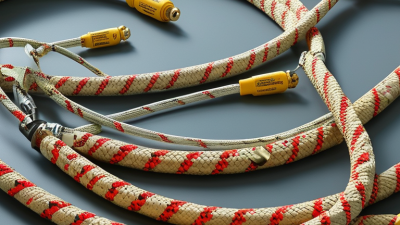
Choosing the best cable pulling rope starts with its construction, not its advertised strength. In field work, I have found that a braided rope handles repeated pulls smoothly and resists flattening around bends. A twisted rope can be easier to inspect and repair, but it may rotate under heavy tension. That rotation can complicate cable placement. A low-stretch polyester rope usually supports controlled pulling and accurate tension monitoring. Nylon stretches more, which can absorb sudden loads, but stored energy becomes a serious concern. This assumption is easy to miss.
Rope features should match the conduit, cable weight, distance, and pulling method. Look for a firm, abrasion-resistant jacket when the rope will contact rough conduit walls. A visible tracer helps crews identify wear and confirm rope movement. Strong eyes or professionally made splices reduce connection failures. A compatible swivel can prevent cable twisting during long pulls. Check diameter carefully; a thicker rope is not always better if conduit space is limited. Moisture, heat, chemicals, and repeated bending also affect service life. I once focused only on breaking strength and overlooked surface damage. That rope passed the specification but failed the inspection. Inspect every rope before use, especially near eyes, splices, and sections that drag across entry points. Replace questionable rope rather than trusting a clean appearance.
A suitable cable pulling rope needs more than high breaking strength. Check its diameter, construction, elongation, flexibility, and approved working load. Match these properties with the conduit length, cable weight, bends, and pulling tension. A rope that feels strong may still stretch excessively or damage a cable jacket.
Inspect it before every pull. Look for cuts, flattened sections, glazing, loose fibers, chemical stains, embedded grit, and exposed core strands. Pay close attention to eye splices and connector points. The Cordage Institute’s rope inspection guidance recommends removing rope when damage affects its structure or safe performance. Do not rely on appearance alone. A clean-looking rope can still contain internal damage.
Handle the rope without sharp bends, knots, sudden shock loads, or contact with hot surfaces. Keep workers away from the bight and maintain clear communication during pulling. The UK Health and Safety Executive reported 561,000 non-fatal workplace injuries in 2023/24, with manual handling, lifting, or carrying contributing to 17 percent. That figure makes controlled handling more than a procedural detail. It is a practical risk control. The U.S. Bureau of Labor Statistics also recorded 888,100 private-industry cases involving days away, restricted work, or job transfer in 2023.
After use, remove dirt with clean water and allow the rope to dry naturally. Store it loosely coiled in a cool, dry, ventilated area. Record inspections, load conditions, and unusual events. I would also review the procedure after every difficult pull; field assumptions are sometimes wrong.