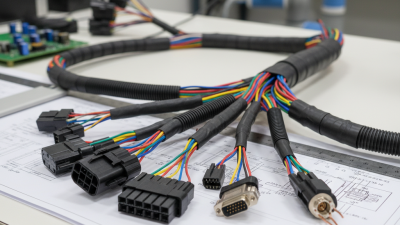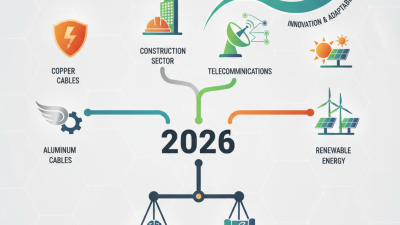
Choosing among the 7 Best Cable Harness Suppliers for Global Buyers? The decision requires more than comparing prices. A reliable cable harness partner should understand drawings, connector specifications, wire gauges, shielding, and assembly tolerances. Small details matter. A loose crimp can stop an entire production line.
This guide examines suppliers through practical buyer concerns. These include engineering support, prototype quality, testing methods, material traceability, production capacity, and export communication. It also considers certifications and quality systems, because requirements differ across industries and regions. Buyers should confirm current documentation directly with each supplier.
The word “best” is imperfect. A supplier serving automotive programs may not suit medical equipment or industrial controls. Some companies excel at low-volume prototypes, while others support repeat orders with stable output. That difference becomes visible when orders grow.
Real purchasing experience often reveals more than a polished website. Ask for sample inspection records, crimp-force data, continuity test results, and packaging photographs. Clarify lead times, change-control procedures, and responses to nonconforming parts. Do not rely on assumptions.
This overview is designed to support a careful shortlist. It does not replace factory audits or technical verification. Supplier capabilities can change, and published claims may become outdated. A thoughtful buyer should test, compare, and question every important detail. That extra effort can prevent expensive delays later.
Cable harnesses organize wires into a reliable, protected assembly. Common types include power harnesses, signal harnesses, coaxial harnesses, and custom multi-branch designs. Each type supports different voltage, data, temperature, and flexibility requirements.
In vehicles, harnesses connect sensors, lighting, batteries, and control modules. In industrial equipment, they manage motors, switches, and communication systems. Medical devices often require compact routing and careful insulation control.
Global buyers should examine conductor material, insulation type, terminal quality, shielding, and connector compatibility. Production capability matters too. A capable supplier should provide drawings, samples, inspection records, and traceability documents. Requirements may include flame resistance, vibration testing, moisture protection, and regional certification.
Packaging deserves attention. Long cable assemblies can bend, twist, or suffer terminal damage during shipping. In my experience, a drawing alone is not enough. A physical sample often reveals routing problems early.
Tips: Confirm wire labels, pin layouts, bend radius, and test methods before ordering. Request a first-article inspection. Check whether the supplier can maintain stable quality across repeat batches.
Also clarify minimum order quantities, lead times, export packaging, and communication procedures. Small omissions become expensive later. One overlooked connector detail can delay an entire production line. Buyers should review performance data carefully, not just compare unit prices. Reliable sourcing requires technical discussion, documented checks, and a willingness to question unclear specifications.
7 Best Cable Harness Suppliers for Global Buyers?
When evaluating cable harness suppliers for international projects, start with engineering evidence, not attractive brochures. Request controlled drawings, material specifications, connector data, and revision history. A capable supplier should explain wire selection, crimp height, pull-force targets, and insulation requirements. Ask for evidence. Sample harnesses should match production methods, not hand-finished prototypes.
Quality records reveal more than promises. Check continuity testing, high-voltage testing, visual inspection, and crimp-force monitoring. Request sample inspection reports with serial numbers and operator records. Traceability matters when a shipment contains thousands of harnesses. Small details matter. Confirm whether the supplier can manage engineering changes without mixing old and new revisions. I once saw a technically good sample fail because its label adhesive softened during transport.
International projects also require practical communication. Evaluate response times, technical English, packaging standards, lead-time accuracy, and export documentation. Ask how the supplier handles shortages, rejected components, and urgent changes. A factory visit or remote process audit can reveal cable storage, dust control, tooling maintenance, and worker training. Do not rely on certificates alone. They may be valid, yet disconnected from daily production.
Compare suppliers using measurable criteria: first-pass yield, defect rates, corrective-action speed, capacity, and backup equipment. Request references for similar voltage, temperature, and assembly requirements. A lower quotation may exclude testing, tooling maintenance, or protective packaging. Leave room for doubt. Your evaluation should challenge assumptions before the first container leaves the factory.
| Supplier Profile | Typical Regional Coverage | Core Harness Applications | Production & Validation Capabilities | Common Compliance Standards | Prototype Lead Time | Volume Lead Time | Typical MOQ | Export Readiness | Technical Support | Evaluation Score |
|---|---|---|---|---|---|---|---|---|---|---|
| Profile 1 Global Tier Supplier |
North America, Europe, Asia-Pacific | Automotive Industrial equipment Energy systems | Automated crimping, ultrasonic welding, continuity testing, pull-force testing, electrical test records and PPAP support. | ISO 9001; IATF 16949 where automotive production applies; RoHS; REACH; IPC/WHMA-A-620 practices. | 2–4 weeks | 6–10 weeks | 500–1,000 assemblies | Strong: multilingual documentation, commercial invoices, packing lists and common export terms. | Dedicated engineering team; drawing review; design-for-manufacturing feedback. | 9.2/10 |
| Profile 2 High-Mix Contract Manufacturer |
Europe, Middle East, North America | Medical equipment Test instruments Robotics | Manual and semi-automated assembly, controlled soldering, cable labeling, 100% continuity testing and traceable work instructions. | ISO 9001; ISO 13485 for applicable medical-device work; RoHS; REACH; IPC/WHMA-A-620. | 3–5 weeks | 7–12 weeks | 50–250 assemblies | Strong: suitable for low-to-medium volume international shipments and engineering changes. | Excellent for complex drawings, small batches, revisions and prototype-to-production transfers. | 9.0/10 |
| Profile 3 Cost-Competitive Asian Manufacturer |
Asia-Pacific, Europe, North America | Consumer electronics Appliances Lighting | High-volume cutting and crimping, automated testers, terminal insertion checks and batch-level quality inspection. | ISO 9001; RoHS; REACH; UL-recognized components when specified by the customer. | 2–3 weeks | 5–8 weeks | 1,000–5,000 assemblies | Good: experienced with container and air freight, but customers should confirm document-control procedures. | Good for standardized designs and stable production forecasts. | 8.6/10 |
| Profile 4 Automotive-Focused Supplier |
Europe, North America, selected Asian markets | Vehicle systems Commercial vehicles Charging equipment | Applicator-based crimping, terminal-force monitoring, circuit testing, high-voltage isolation testing and process capability studies. | IATF 16949; ISO 9001; ISO 14001; RoHS; REACH; IPC/WHMA-A-620 where applicable. | 4–6 weeks | 8–14 weeks | 1,000–10,000 assemblies | Very strong: structured automotive documentation, change control and supply-chain planning. | Strong on validation plans, PPAP documentation and long-term program management. | 9.1/10 |
| Profile 5 Renewable-Energy Cable Specialist |
Europe, North America, Australia and Southeast Asia | Solar equipment Battery storage Power conversion | Large-gauge cable processing, high-voltage testing, insulation-resistance testing, sealing inspection and outdoor-environment verification. | ISO 9001; IEC-related testing as specified; RoHS; REACH; UL or CSA component requirements when required by the end market. | 3–5 weeks | 6–10 weeks | 100–500 assemblies | Strong: familiar with export packaging, technical files and environmental-use declarations. | Strong on cable sizing, connector selection, voltage ratings and environmental requirements. | 8.9/10 |
| Profile 6 Regional Nearshore Supplier |
North America, Mexico and selected Latin American markets | Industrial controls HVAC Warehouse automation | Cut-and-strip equipment, semi-automated crimping, point-to-point testing, visual inspection and rapid engineering samples. | ISO 9001; UL-related requirements when specified; RoHS; REACH; IPC/WHMA-A-620 practices. | 1–3 weeks | 4–8 weeks | 100–1,000 assemblies | Very strong for regional deliveries, shorter transit times and simplified communication. | Responsive engineering and purchasing communication; suitable for frequent design updates. | 8.7/10 |
| Profile 7 Low-Volume Prototype Specialist |
Worldwide through courier and air-freight channels | R&D projects Laboratory devices Special machinery | Rapid sample assembly, 3D wiring-board preparation, manual soldering, continuity testing, first-article inspection and revision control. | ISO 9001; IPC/WHMA-A-620 practices; RoHS; REACH; customer-specific inspection plans. | 3–10 business days | 4–7 weeks | 1–50 assemblies | Good: best suited to courier shipments; customers should verify customs and origin documentation. | Excellent for incomplete specifications, engineering changes and prototype troubleshooting. | 8.5/10 |
Seven leading cable harness suppliers for global buyers should be judged by capability, not catalog size. The strongest group includes global integrated manufacturers, automotive specialists, industrial automation suppliers, aerospace-grade producers, medical-device assemblers, rapid-prototyping houses, and regional high-volume factories. Each serves a different purchasing reality. A global integrated supplier may coordinate plants across continents, while a prototyping house can revise a 12-wire assembly overnight. That difference matters.
Grand View Research estimated the global cable harness market at more than USD 80 billion in 2023, with steady growth through 2030. This demand reflects electric vehicles, factory automation, renewable energy, and connected equipment. Buyers should request evidence of process control, not polished claims. IPC/WHMA-A-620 remains a key workmanship reference for crimping, routing, labeling, and testing. Practical checks include pull-force records, continuity tests, terminal traceability, and first-article samples.
Aerospace and medical suppliers usually offer stronger documentation, but their minimum orders can be restrictive. Regional high-volume producers may reduce unit cost, yet shipping delays can erase the savings. I have seen specifications fail because one connector was substituted without approval. It looked minor. It was not. Confirm insulation ratings, bend radius, RoHS or REACH documentation, and change-notification procedures before signing. Supplier scorecards should also measure defect rates, lead-time accuracy, engineering response, and capacity during demand spikes. Need for rechecking remains. Supplier claims can age quickly.
Choosing a cable harness supplier requires more than comparing online quotations. Quality should come first, especially for assemblies used in vehicles, machinery, or control panels. Ask for material certificates, crimp-force records, continuity-test results, and sample inspection photos. A reliable supplier should explain wire gauges, terminal sources, insulation ratings, and testing procedures clearly.
Customization affects both performance and cost. Confirm connector compatibility, branch lengths, labeling, protective sleeving, and drawing revision control before production. Pricing should include tooling, prototypes, packaging, testing, and shipping. A low unit price may hide expensive setup charges. Lead times also need careful comparison. Request separate schedules for engineering samples, pilot batches, and mass production. In my experience, suppliers often quote production time but overlook approval delays. That mistake can disrupt an entire launch.
Tips: Send one detailed specification sheet. Include drawings, photographs, tolerances, and expected annual volume. Request three samples before approving production. Check pull-test records and inspect crimp height with calibrated equipment. Also, ask how shortages are handled. A supplier with backup materials may offer better reliability than the cheapest bidder. Keep communication documented, although real projects still produce misunderstandings. Allow buffer time for revisions, customs processing, and unexpected quality checks.
Selecting the right cable harness supplier requires more than comparing price lists. A supplier should understand your drawings, materials, tolerances, and production risks. Request samples built from your latest specifications, not older files. Inspect terminal crimping, wire routing, labels, shielding, and connector fit. Small details often reveal larger process problems.
When comparing seven potential suppliers, review their quality system and production records. Ask for crimp-force testing, continuity testing, insulation checks, and documented inspection results. Confirm their ability to control incoming materials and trace each batch. A factory tour can show whether workstations are organized and operators follow clear instructions. Look for calibrated tools, controlled storage, and realistic production capacity.
Do not rely on polished presentations alone. I have seen impressive samples fail after repeated bending because strain relief was poorly designed. Ask for pilot runs and test assemblies under actual operating conditions. Check communication speed, engineering support, change-control procedures, and delivery history. A low quotation may hide expensive rework. That lesson is easy to miss. Suppliers should also explain how they handle defects, corrective actions, and urgent design changes. If answers remain vague, pause the qualification process. A supplier can be technically capable yet unsuitable for your schedule, documentation needs, or risk tolerance. Leave room for doubt, and verify claims with records.